

Blog
How to Identify Authentic Chinese Porcelain: A Beginner’s Guide for Collectors

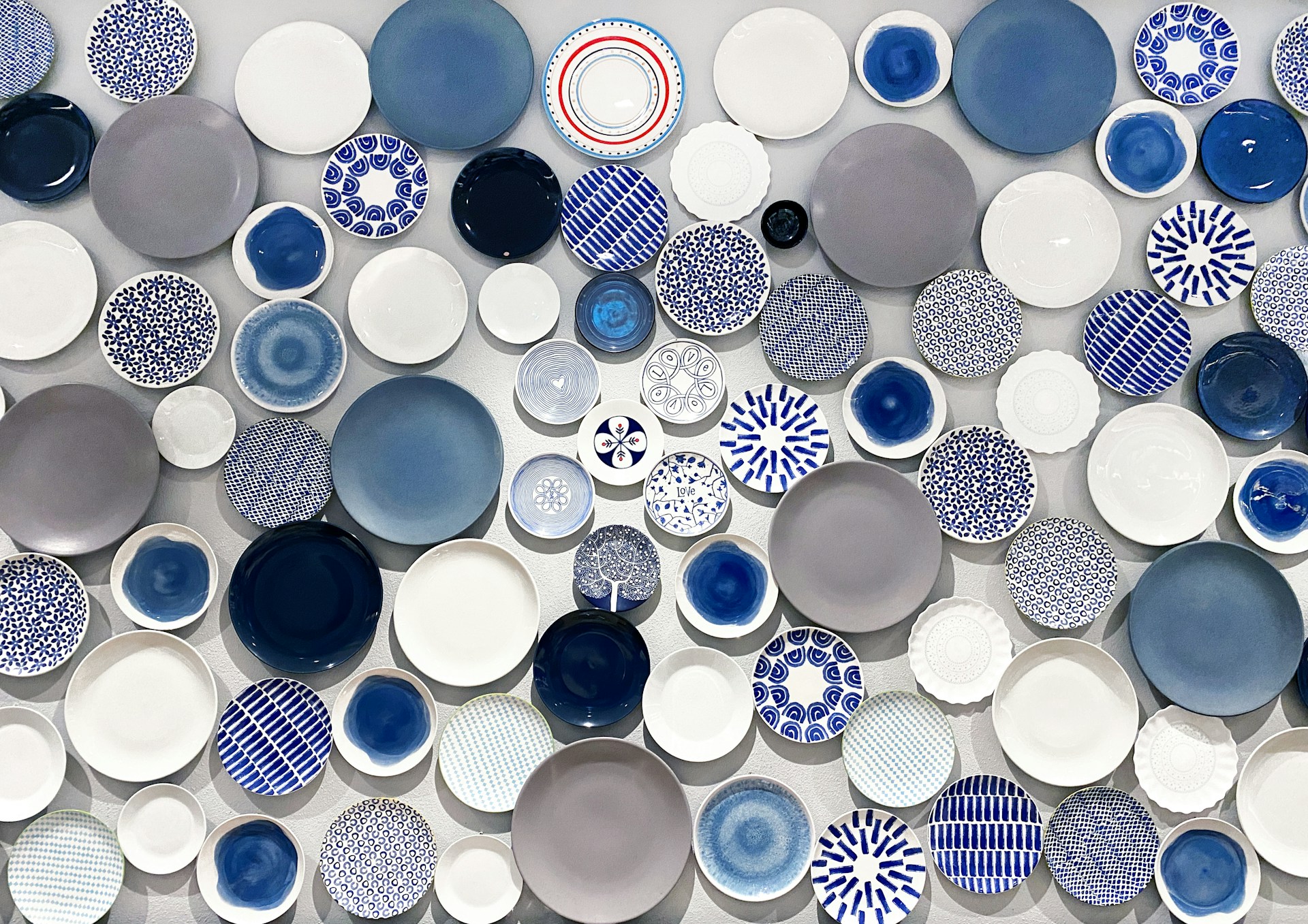
Chinese porcelain has long been admired for its elegance, craftsmanship, and historical significance. However, with increasing global demand, the market has also seen a rise in replicas and imitations.
For collectors—especially those new to the field—learning how to identify authentic porcelain is essential.
In this guide, we’ll walk you through key factors that can help you evaluate Chinese porcelain with greater confidence.
1. Understand the Origin: Why Jingdezhen Matters
When discussing authentic Chinese porcelain, Jingdezhen is often the first name that comes up—and for good reason.
Known as the “Porcelain Capital,” Jingdezhen has been producing ceramics for over a thousand years. Many of the finest imperial wares were made here, and the region continues to uphold traditional techniques today.
If a piece is genuinely from Jingdezhen, it already carries a strong foundation of credibility.
2. Examine the Material and Texture
Authentic porcelain has a distinct feel that is difficult to replicate.
Look for:
- A smooth, refined surface similar to jade
- A lightweight yet durable structure
- A slightly translucent body under light
High-quality porcelain made from kaolin clay often has a natural elegance that feels balanced and refined.
3. Pay Attention to Craftsmanship
One of the most reliable indicators of authenticity is craftsmanship.
Genuine handmade porcelain typically shows:
- Subtle variations rather than perfect uniformity
- Fine, detailed brushwork in painted designs
- Balanced proportions and finishing
Mass-produced items, on the other hand, may look overly perfect but lack artistic depth.
4. Analyze Decorative Techniques
Different historical periods are associated with distinct decorative styles.
For example:
- Blue-and-white porcelain features cobalt designs beneath a clear glaze
- Famille rose uses soft, layered colors with delicate shading
- Doucai combines underglaze and overglaze techniques
Understanding these styles can help you determine whether a piece aligns with its claimed origin or era.
5. Look for Signs of Age
Antique porcelain often carries subtle signs of aging.
These may include:
- Natural wear on the base or edges
- Slight glaze crackling (also known as crazing)
- Patina developed over time
Be cautious, however—some reproductions are artificially aged to mimic these effects.
6. Check Marks and Signatures (But Don’t Rely on Them Alone)
Many porcelain pieces include marks on the base, such as reign marks or workshop signatures.
While these can be helpful, they are not always definitive proof of authenticity. Marks are often reproduced or copied in modern pieces.
They should be considered as one factor among many—not the final judgment.
7. Consider Provenance and Source
Perhaps the most important factor is where the piece comes from.
Reliable sources typically provide:
- Clear background or provenance information
- Expert evaluation or verification
- Transparent communication about the item
Buying from trusted platforms significantly reduces the risk of acquiring imitations.
8. Why Expert Guidance Matters
Even experienced collectors sometimes seek professional opinions when evaluating high-value pieces.
Having access to:
- Collection advisors
- Authentication expertise
- Direct sourcing channels
can make a significant difference in building a high-quality collection.
Collect with Confidence
Authentic Chinese porcelain is more than just a decorative object—it is a piece of history shaped by tradition, artistry, and time.
Learning how to evaluate authenticity takes experience, but with the right knowledge and guidance, collectors can make informed and confident decisions.
Discover Authentic Collections
At Jindeci, we are committed to providing carefully curated porcelain and oriental art collections sourced from trusted channels.
👉 Explore more at: www.jindeci.com
Build your collection with confidence and authenticity.